
- Bring your own drinks
-

- All guests must be 21
-
Wheelchair access
- Wheelchair Accessible
-

- Kid-friendly event

This is a groupmuse
A live concert in a living room, backyard, or another intimate space. They're casual and friendly, hosted by community members.
Host
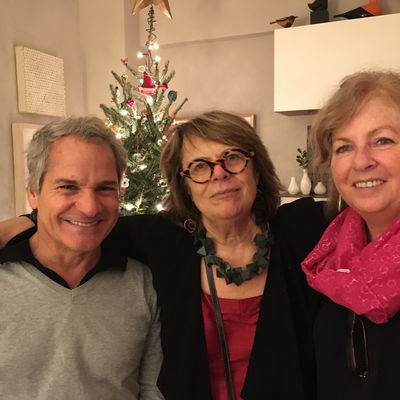
So, let's do things a bit differently this time. Cristian Budu is an award-winning Brazilian pianist. According to Groupmuse's founder, Sam Bodkin, Cristian inspired him in the early days of the venture. The rest is history.
As always I will provide some tasty tidbits. Feel free to bring wine or whatever you are interested in drinking.
Bio: Cristian Budu won the prestigious Clara Haskil International Competition in 2013, marking a milestone in his career. Budu's debut solo CD received critical acclaim and was recognized with the "Editor's Choice" in England and "5-Diapasons" in France. His dedication to the art of music and his innovative approach to performance have established him as a new reference in the piano world.
What's the music?

Camargo Guarnieri
Ponteios n. 45, 40, 30 & 49
Nininha Velloso Guerra
Suíte "Com as Crianças" (excertos)
I. Carícias da mamãe
II. Com as bonecas, em dança
IV. Soldados de chumbo
V. Boa noite, mamãe…
Brasílio Itiberê
Suíte Litúrgica Negra
I. Xangô
II. Ogu
III. O protetor Exu
Clarisse Leite
Lendas… e Nada Mais!
I. O curupira pula na brasa
II. A nuvem e o lago
III. O duende louco
Radamés Gnattali
Por quê?
Tia Amélia
Jaboatão
Ernesto Nazareth
Escorregando
Henrique Alves de Mesquita
Quadrilha Heróica
Heitor Villa-Lobos
Ciclo Brasileiro (excerpts):
Impressões seresteiras
Festa no sertão
Where does this music come from?
The program paints a colorful panorama of Brazilian piano music, ranging from concert music to choro — the early form of instrumental samba.
It features composers who lived during the golden age of Modernism in the early 20th century — such as Heitor Villa-Lobos, Brasílio Itiberê II, and Nininha Velloso Guerra — a time when written music stattet to embrace the country’s diverse cultural roots (European, African, and Indigenous).
Brasílio Itiberê pays tribute to African religion Candombe in his Suite Litúrgica Negra; Nininha Velloso Guerra writes her suite Avec les Enfants evoking the French music of her time; and Villa-Lobos incorporates into his writing the richness of choro, along with the lyricism and rhythmic virtuosity of Brazilian popular music.
The program also includes composers who lived through the aftermath of that period, in the second half of the 20th century, and who expanded the possibilities of musical writing by incorporating diverse traditions into their piano works — Camargo Guarnieri, who drew on Northeastern folk music and guitar idioms (Ponteios); Clarisse Leite, whose pianism reflects the influence of Debussy and Schumann (Suite Lendas, e nada mais...); and Radamés Gnattali, who merged jazz and choro (Por quê?).
Finally, the program highlights choro composers such as Henrique Alves de Mesquita, whose Quadrilha Heróica from the 19th century already fused European salon music with African rhythms. Tia Amélia and Ernesto Nazareth illustrate the evolution of this musical style at the turn of the 20th century, when choro became an essential part of Brazil’s musical identity and gave rise to the many forms of samba that continue to evolve to this day.
Location
Exact address sent to approved attendees via email.
This is a groupmuse
A live concert in a living room, backyard, or another intimate space. They're casual and friendly, hosted by community members.
Host
Attendees





 Continue with Facebook
 Continue with Google
 Continue with Apple
Comments (1)
Comment sections are only for participants.